

NIGHTSEA Fluorescence Blog
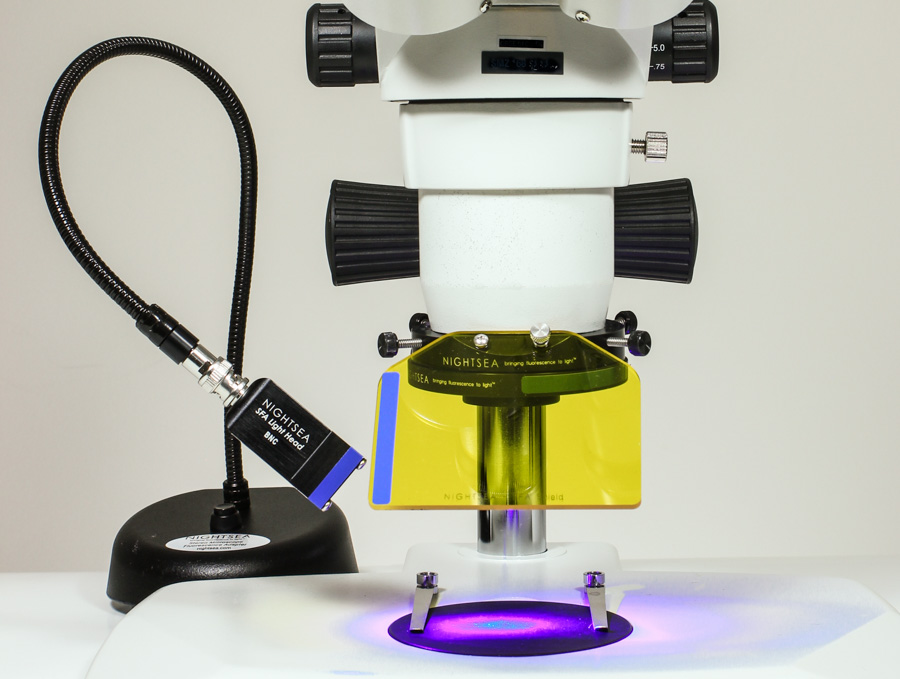
Stereo Microscope Filter Shield
2015
Fluorescence stereo microscopes should include a protective shield. The NIGHTSEA filter shield does double duty as an eye protector and as a viewing filter.
read full post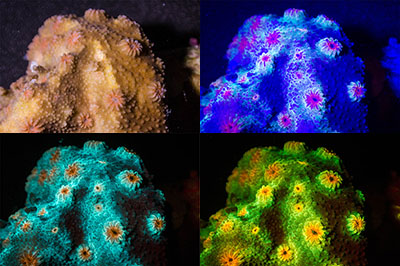
Coral fluorescence appearance vs excitation wavelength
2015
With fluorescence, what you see depends on how you excite and view the subject – the interaction of the excitation wavelength, the fluorescing substance, and the barrier filter.
read full post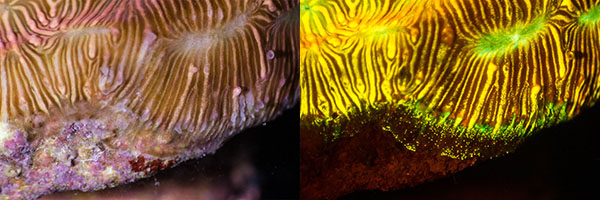
Coral fluorescence highlights tissue growth extension
2015
Fluorescence microscopy helps in seeing the growing edge of coral tissue
read full post
White balance for fluorescence photography
2015
White balance selection for fluorescence photography
read full post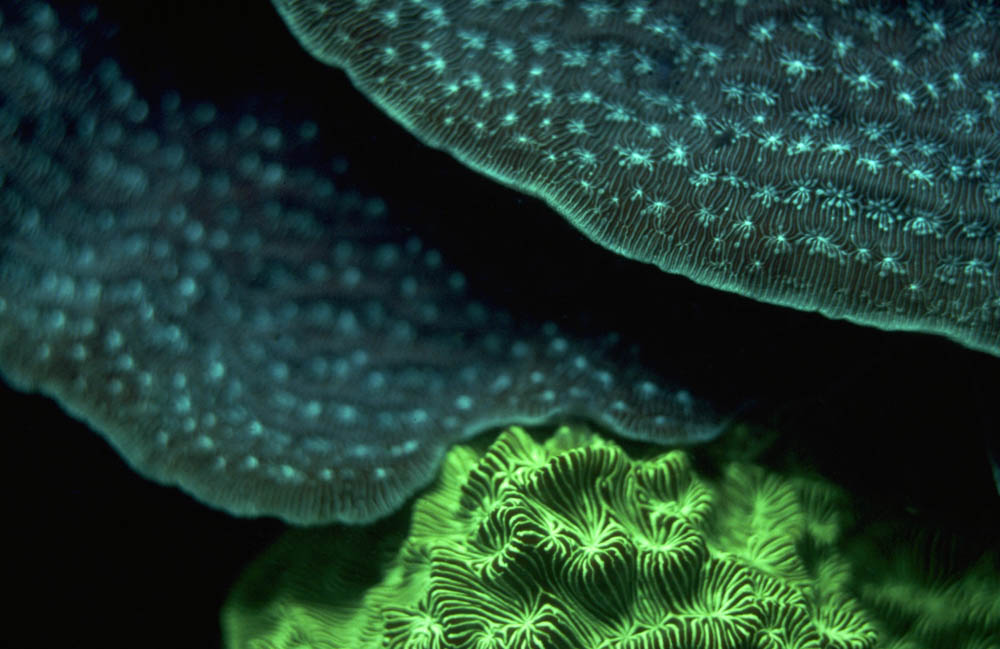
No backscatter with underwater fluorescence photography!
2015
Cool tip – underwater fluorescence photography is relatively immune to backscatter
read full post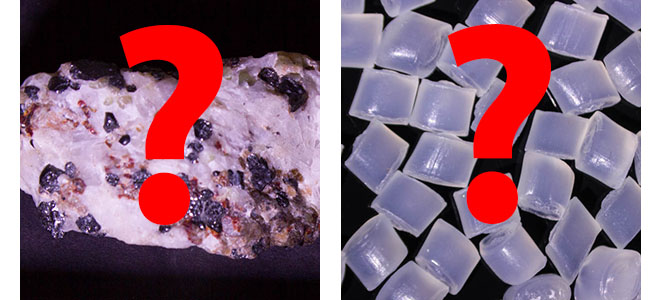
Does it Fluoresce? – Empirical vs scientific/first principles
2015
There are two types of approaches to answering the question of whether something fluoresces – empirical (try it and see) vs scientific (make careful measurements). Read to learn the difference.
read full post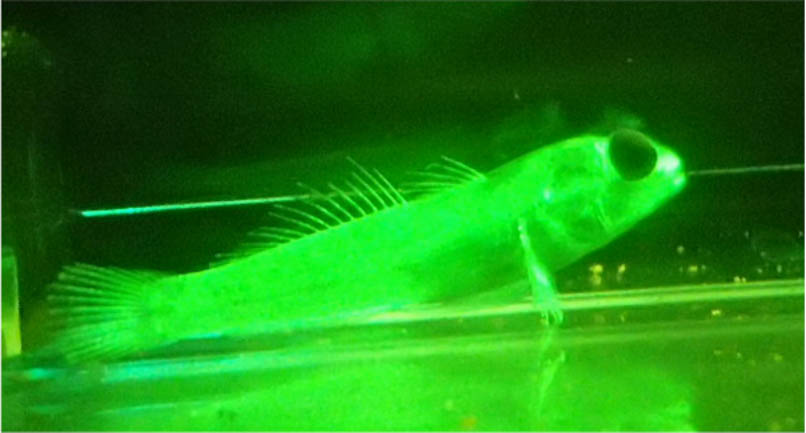
Calcein fluorescence detection
2015
NIGHTSEA’s fluorescence visualization tools are the preferred solution for working with calcein-stained fish at macro and micro scales.
read full post
A presentation on coral fluorescence – a fascinating combination of science, technology, and beauty
2015
Watch the video of NIGHTSEA founder Charlie Mazel’s presentation on coral fluorescence at the 2014 Marine Aquarium Conference of North America (MACNA) conference.
read full post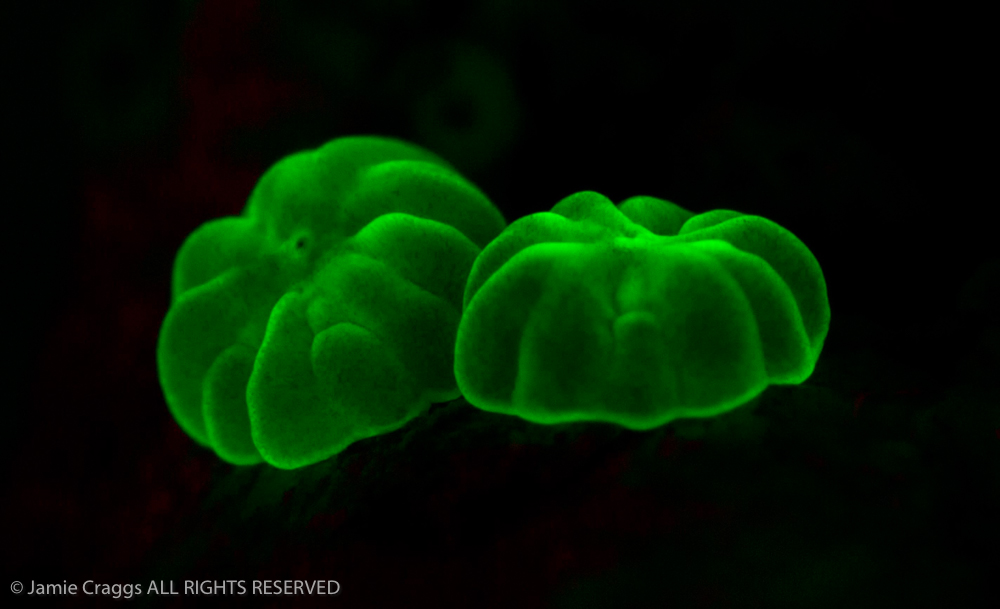
Fluorescence images of juvenile corals
2014
Fluorescence images of juvenile corals
read full post